Tsal’gyur Nicole Starbuck
Dance School Founder & Director
Interview with Dr. Satya and Article for women in contemporary leadership roles in America.
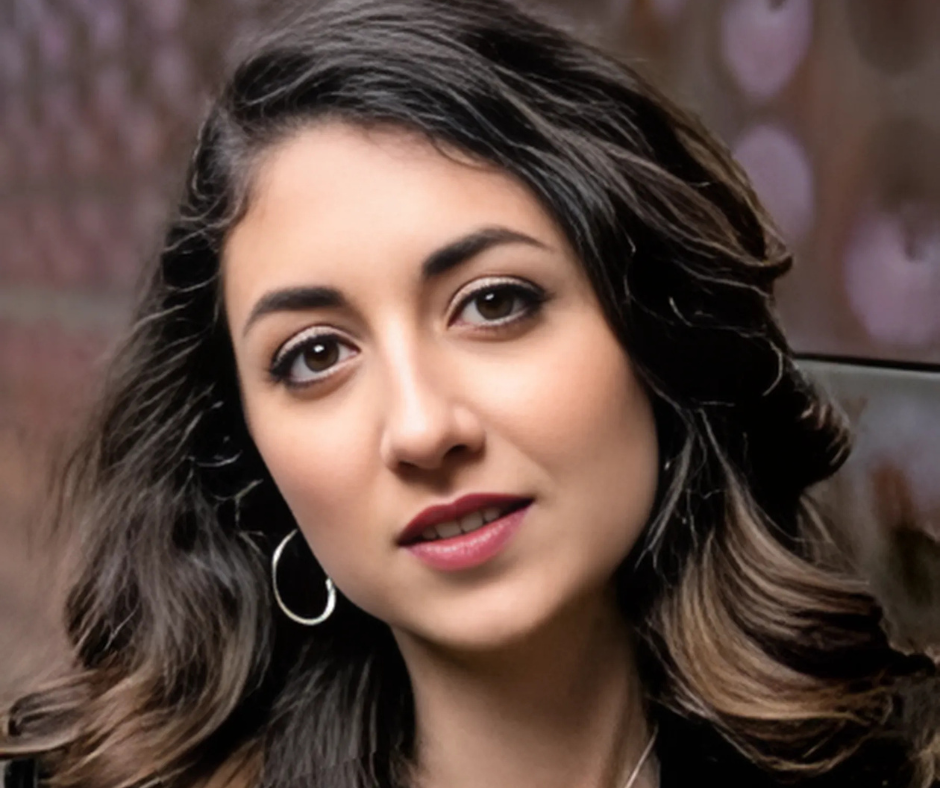
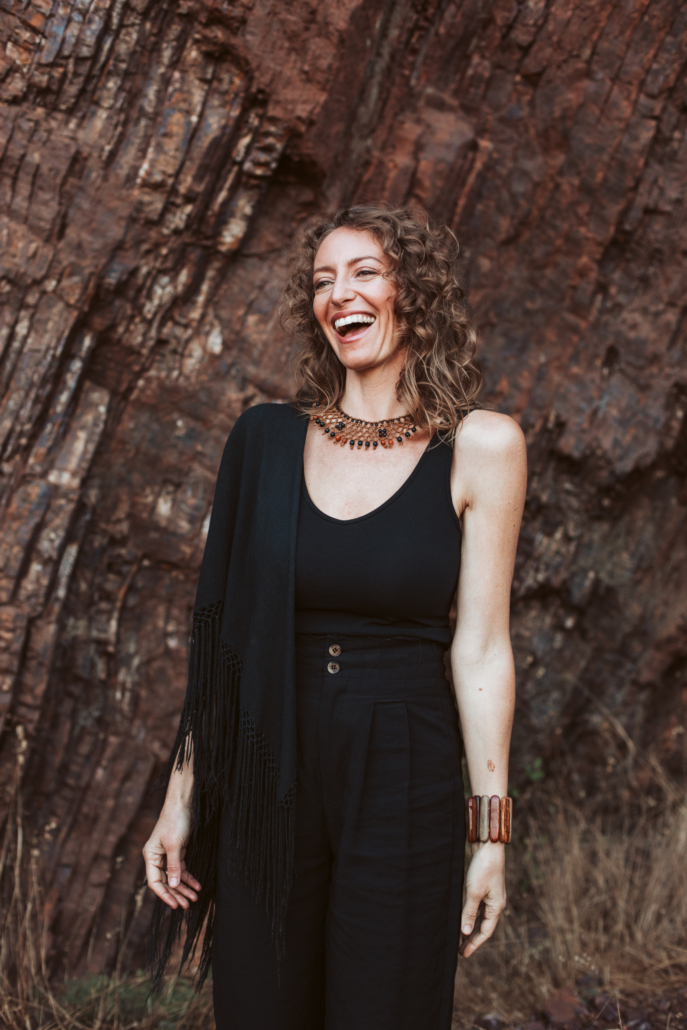
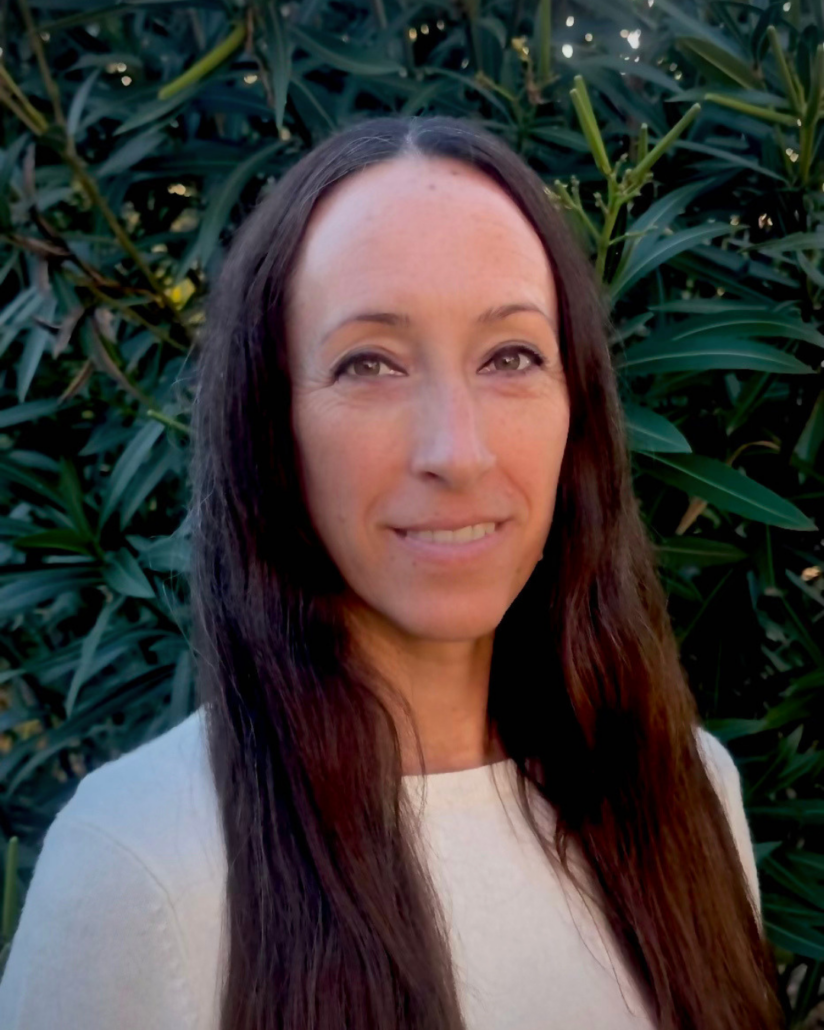
Dr. Satya Shiva is someone whose work seems impossible to separate from who she is as a person. Because of this, it feels difficult to speak about her background without also speaking about what is admirable and, in many ways, groundbreaking about her work. The values that shape her life and career — attentiveness, healing, contemplative practice, and a commitment to easing suffering — seem deeply woven into the way she moves through the world.
When I asked Satya where she was from, rather than simply naming a place, she spoke about her grandparents on her mother’s side fleeing from North Korea to South Korea during the rise of communism. Carrying only what they could hold in their hands and their children on their backs, they survived by collecting pieces of metal to sell in order to buy grains of rice. Satya explained that when she thinks about her own resilience and determination, she thinks about that lineage and the strength that runs through her family history. She was born and raised in the West Hills of Los Angeles and described being raised by parents who each valued health and wellness in different ways, which strongly influenced her from a young age. She also credited her Buddhist teacher and more than twenty-five years of Buddhist practice with helping her develop clarity around what matters most to her life and work: easing suffering.
Satya’s background includes a clinical doctorate in Traditional Chinese Medicine, training in acupuncture and Oriental medicine, Ayurvedic medicine, meditation instruction, and integrative healing practices, all of which inform the work she does today through Radiance Healthcare and Radiant Life Training. She also serves as the Programs Director and Faculty of a Buddhist nonprofit organization, Clinical director at the Yogic Medicine Institute and Dakini Mountain Retreat center, and is a consultant for her family’s residential elder care facility in LA. She wears many hats, indeed! However, what stood out to me most was not simply the extent of her education, accomplishments, or many career projects, but the coherence between her values and the way she lives her life. The care she offers does not feel limited to a professional role or title, but infused into the way she moves through spaces, relationships, and communities. She described sensing suffering, imbalance, or obstacles to wellbeing that others may not consciously recognize, then helping bring those things to the surface so healing and transformation can occur. Through medicine, teaching, leadership, retreats, and relationships, she continually tries to help people move toward what she described as a more “exalted” experience of life — one with greater vitality, connection, creativity, and ease.
During the interview, Satya explained that her passion is “to live in a way that is in harmony with the natural cycles of things and with a kind of organic divinity.” She described trying to “radiate ancient wisdom with an organic intuitiveness of the present moment” through her work and daily life. What I found especially interesting was the way she spoke about presenting healing practices in an artistic and experiential way so people can better understand and connect with them. She explained that many people do not immediately understand why practices such as meditation, cleansing, caring for the elderly, or creating beautiful and harmonious spaces matter, so she tries to communicate these things through what she described as a “magnetizing pictorial journey.” She said she is always trying to elevate “the spatial and experiential landscape” wherever she is and whatever she is doing. This perspective made her work feel much larger than healthcare alone. It reflected a philosophy of healing that includes beauty, environment, relationship, and the emotional atmosphere people inhabit.
One thing that particularly stayed with me was the way Satya described connecting with patients. She explained that she likes to “drop into a state, into a field, with people,” connecting deeply with their pain and suffering through a grounded and compassionate presence. She described healing not simply as technical treatment, but as creating a trusting and surrendered space where patients can experience relief, connection, and restoration. She explained that these experiences can become “mutually nourishing and relieving,” which reflected a view of healing as deeply relational and human rather than purely clinical.
One thing Satya discussed regarding work and life balance is that she has “a propensity for intensity.” She explained that she works intensely, loves intensely, and even relaxes intensely. Although she does not currently have children or family to tend to, she still carries significant responsibilities and spends much of her life caring for others. One challenge she identified is defining what she does in a way that is both marketable and sustainable within contemporary culture. What was interesting was that this challenge became visible even during the interview itself. As she tried to explain her work, it was clear that she was searching for language expansive enough to communicate something deeply experiential, philosophical, and relational. I also noticed that when I tried reflecting back what I was hearing, I found myself needing multiple ways of describing it in order to feel I was doing it justice. Much of what she described resisted reduction into conventional professional language because it was not only about healthcare in a technical sense, but about helping people reconnect with meaning, beauty, harmony, and even divinity within ordinary life. In some ways, this reflects a larger sociological issue regarding how women whose work is relational, intuitive, and care-centered often must translate themselves into institutionally acceptable language in order to receive legitimacy and respect.
When I asked Satya about barriers she has faced in her career, she explained that women are often not socially conditioned to take bold risks or innovate with the same freedom men are given. She reflected that although her extensive education was valuable, women frequently need more credentials than men in order to establish authority and legitimacy in leadership or medicine. At one point, laughing a little, she said, “I don’t like to over-aggrandize what I have learned or what I know, as it seems the more we think we know, the more we don’t know anything.” What stood out to me was that this humility did not come from a lack of knowledge, but from an awareness of complexity and from recognizing how much there is still to learn. She also connected this to being a woman, explaining that women are often not enculturated to confidently position themselves as “the one who knows,” “the one who has achieved,” or “the one who has intrinsic value.” Because of this, she explained, it can feel difficult to put oneself forward with certainty in the ways many professional systems reward and expect.
At the same time, Satya reflected that some of her greatest lessons emerged through experiences surrounding death, grief, and profound loss. This part of the interview felt especially tender and emotionally significant. She described being with her father as he was dying and repeatedly going “code blue,” in the ICU while she was the only person there with him. Drawing on all of the tools in her toolkit — both as a natural medicine practitioner and as a human being with years of experience — she repeatedly intervened to revive and stabilize him. She explained that, in many ways, this experience was what taught her to trust herself and develop confidence in her own instincts and abilities. What struck me was how intense and harrowing that experience must have been: learning to trust yourself in life-and-death moments while caring for your own beloved father.
At one point she laughed and referred to herself as “crazy” for acting with that level of boldness and certainty, but I found myself thinking about how deeply gendered that response may actually be. Satya reflected that when men act decisively, trust their expertise, and take charge in moments of crisis, they are often perceived as natural leaders or even heroic. Women expressing that same level of confidence, instinct, or authority are much more likely to question themselves or be perceived by others as irrational, emotional, or “crazy.” In many ways, her reflection highlighted how women are often not socially conditioned to fully trust their own knowledge, experience, or authority, even when they are highly trained and capable. What stayed with me most was the realization that these moments surrounding death and loss became a kind of real-life, high-stakes training ground for her. They forced her to confront fear directly, trust her own judgment, and act with courage when it mattered most. She described death, grief, and profound challenge not only as some of the hardest experiences of her life, but also as some of her greatest teachers.
Finally, when I asked what advice she would give to other women entering similar fields, after taking a moment of reflection she offered, “cultivate paying attention.” She explained that this wisdom originally came from her father, who would tell her that the greatest gift you can give is the purity of your attention. What stood out to me most throughout the interview was the particular lens through which Satya seems to see the world. She spoke clearly about suffering, imbalance, disconnection, and confusion in modern life, yet at the same time carried an equally strong conviction that another way of living is possible. Again and again, she returned to the belief that human beings can live with greater harmony, vitality, beauty, presence, and connection. In many ways, I found myself thinking again about her grandparents fleeing North Korea with almost nothing except the belief that a better life must exist beyond the suffering surrounding them. Through resilience, determination, and vision, they created that life from almost nothing, then recreated it again in Brazil, and then again in America. Satya seems to carry forward that same grit and conviction today, though expressed through a different kind of work. Through medicine, teaching, contemplative practice, care for people and spaces, and the environments she creates, she uses her attention, effort, love, and determination to help bring into being what she described as a more “exalted” way of living. What stayed with me most was the sense that she does not merely hope such a way of life exists, but deeply believes it is possible and actively works to help others reconnect with it.