Stuck in Survival Mode?

A Path Through Inflammation, Mold Illness, and Immune Breakdown

Biotoxins: Hidden Drivers of Chronic Illness & a Path to Recovery

Chronic Inflammatory Response Syndrome (CIRS) is a complex, multi-system illness triggered by molds and bacteria from water-damaged buildings, tick-borne infections such as Borrelia burgdorferi, marine toxins like ciguatera, and certain viral or bacterial exposures. In people with specific HLA-DR/DQ genetic patterns, the immune system is less effective at clearing these toxins, resulting in persistent inflammatory signaling and widespread physiologic disruption. Research suggests that approximately 22 – 24% of the population carries these susceptibility patterns.

CIRS is not mold allergy, chemical sensitivity, or a vague intolerance. It is a measurable immune dysregulation involving innate immune activation, abnormal cytokine signaling, neuroinflammation, endocrine disruption, and mitochondrial impairment. Because these processes influence nearly every organ system, symptoms rarely follow a linear pattern and often go unrecognized in conventional settings.

If you have felt unwell for a long time and no one has been able to explain why, CIRS may be part of the picture. If you want clarity and a grounded explanation for your symptoms, you may schedule a brief consultation to explore whether a CIRS-informed pathway is appropriate for you.
What is Biotoxin Illness?

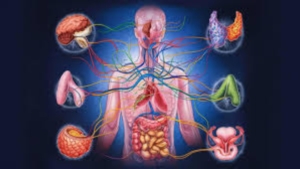
Biotoxin illness affects the body across multiple systems simultaneously. Patients often experience physically contradictory symptoms because the underlying disruption influences neuroendocrine, vascular, mitochondrial, and autonomic pathways.

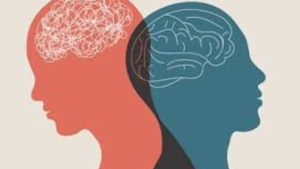
Cognitive-Neurological

  • Brain fog
  • Word-finding difficulty
  • Head pressure
  • Memory lapses
  • Dizziness or balance issues
  • Tingling or numbness

Vascular + Autonomic

  • Shortness of breath
  • Temperature dysregulation
  • Cold hands or feet
  • Lightheadedness when standing
  • Static shocks / electric sensations
  • Frequent thirst or urination

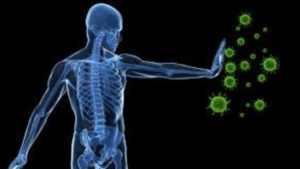
Immune-Inflammatory

  • Chronic sinus issues
  • Recurring infections
  • Swollen lymph nodes
  • New allergies or sensitivities
  • Low-grade fever
  • Unusual skin reactions
  • Slowed wound healing

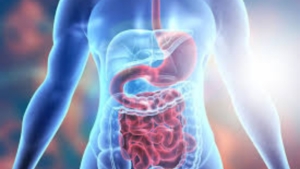
Gastrointestinal Upset

  • Bloating or distension
  • Food intolerances
  • Constipation or diarrhea
  • Nausea
  • Upper abdominal discomfort
  • Reflux or loss of appetite

Fatigue + Mood

  • Unrelenting fatigue
  • Sleep that does not restore
  • Mood instability
  • Anxiety or panic
  • Reduced motivation
  • Heightened emotional sensitivity

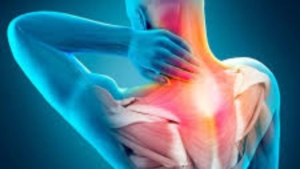
Muscle Joint Pain

  • Migrating pain
  • Muscle aches or cramps
  • Stiffness
  • Weakness
  • Fibromyalgia-like symptoms

Hormonal + Metabolic

  • Menstrual changes
  • Weight fluctuations
  • Hypoglycemia-like sensations
  • Low libido
  • Sensitivity to heat or cold
  • Poor stress tolerance

Sensory + Perception

  • Light or sound sensitivity
  • Blurred vision
  • Difficulty with night driving
  • Metallic taste
  • Tinnitus
  • Static shocks or tingling sensations

The Science of CIRS

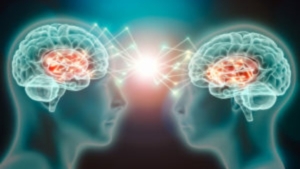
The U.S. GAO formally recognized CIRS as a mold-related illness in 2008. Studies have documented measurable changes in immune markers such as C4a, MMP9, TGF-β1, and disruptions in antidiuretic hormone and ACTH/cortisol signaling. NeuroQuant studies have also demonstrated structural differences in grey matter volume in certain brain regions among affected individuals.

These findings are not psychological or theoretical. They are physiologic patterns supported by immunology, neuroimaging, and transcriptomic research.

CIRS affects the body through several major pathways: persistent innate immune activation, dysregulated cytokine communication, neuroinflammation, autonomic and endocrine imbalance, and disrupted mitochondrial energy production. These pathways help explain why symptoms feel unpredictable and why patients often develop sensitivities, cognitive changes, temperature instability, or worsening fatigue after exertion.

You can read more in the consensus papers of Dr. Ritchie Shoemaker and colleagues, or in the extensive case studies involving transcriptomics, proteomics, and NeuroQuant brain imaging.

Why I Care & How I Can Help

I am a Doctor of Oriental Medicine with a lifelong commitment to integrative healing. I have also been through biotoxin illness myself. It was my own experience, and the clinical patterns I began to see repeatedly in my patients, that led me to study CIRS deeply. The research aligned with what I already understood from Ayurveda, Chinese Medicine, and my doctoral research on the endocannabinoid system: chronic inflammation, disrupted communication between organ systems, impaired detoxification pathways, and exhaustion of the body’s regulatory networks.

My approach weaves the validated science of CIRS with the stabilizing, nourishing frameworks of Ayurveda, TCM, and environmental medicine. I focus on slow, steady support of detox pathways; restoration of mitochondrial and neuroendocrine resilience; and a deeply compassionate process that acknowledges the emotional and spiritual toll of long-term illness.

I have walked this road. I know how confusing it feels. And I believe that even without prescription medications, there are physiologically sound, natural ways to support recovery.

My Natural Healing Protocol for Biotoxin Detox

This non-prescription protocol is grounded in the same physiologic mechanisms described in CIRS research, adapted for those seeking a gentler and more integrative path.

Step 1: Evaluation and Screening
A detailed intake, symptom mapping, and risk assessment help determine whether CIRS is likely and whether further laboratory testing is appropriate.

Step 2: Environmental Testing
Healing is not possible without addressing the exposure source. I guide you through practical home testing approaches to identify and reduce biotoxin load.

Step 3: Natural Binding and Drainage
Gentle binders and classical Ayurvedic and TCM drainage support help reduce circulating inflammatory mediators and stabilize immune activity.

Step 4: Anti-inflammatory and Mitochondrial Support
Targeted nutrients, adaptogenic botanicals, and lifestyle practices help restore cellular energy production and reduce metabolic stress.

Step 5: Endocannabinoid System Repair
Early research suggests that chronic inflammation disrupts the body’s endocannabinoid regulatory network. Nutritional strategies, lifestyle interventions, and certain botanicals help restore balance to this system, supporting mood, sleep, immune modulation, and tissue repair.

Step 6: Nervous System and Lifestyle Rebuild
Neuroinflammation and prolonged HPA-axis activation exhaust the nervous system. I use breathwork, meditation, sleep-repair strategies, Ayurvedic routines, and TCM principles to rebuild regulation and resilience.

This is not a quick path. But it is a steady, compassionate, and physiologically grounded one.

Are You a CIRS Candidate?

If you have chronic, unexplained symptoms and suspect mold or environmental exposure, exploring the CIRS pathway may bring clarity and direction.

You may begin by taking a short questionnaire and scheduling a consultation to determine whether this model is appropriate for your healing journey.

Ready to Reclaim your Radiance?

Tell Us a Little About You

I’m interested in:

1 + 1 = ?

Cultivating Wellness Through Every Season

© 2025 Radiance Healthcare. All Rights Reserved.