鬼有所歸,乃不為厲
When a ghost has somewhere to return to, it ceases to do harm.
— Zuǒzhuàn, Duke Zhao, seventh year
In the state of Zheng, people had begun to run at the mention of Boyou’s ghost. When Zichan restored a place for Boyou’s family line, the fear subsided. Asked why he had acted, Zichan answered that he had given the ghost somewhere to return to. The old account leaves room for a question that will recur in the names of the Ghost Points. What happens to the living when something belonging to the dead has yet to find its place?
The Book of Rites speaks of the hún-qì returning to Heaven and the bodily pò returning to Earth. Both characters, 魂 and 魄, contain 鬼, guǐ. In the medical literature, the Sùwèn places the pò with the Lung and the hún with the Liver. These passages come from different traditions of ritual and medicine. Their nearness is especially felt in autumn, the season associated with the Lung and Metal, when the warmth of the breath becomes perceptible in cool air and the work of gathering the harvest gives way to deciding what can be kept.
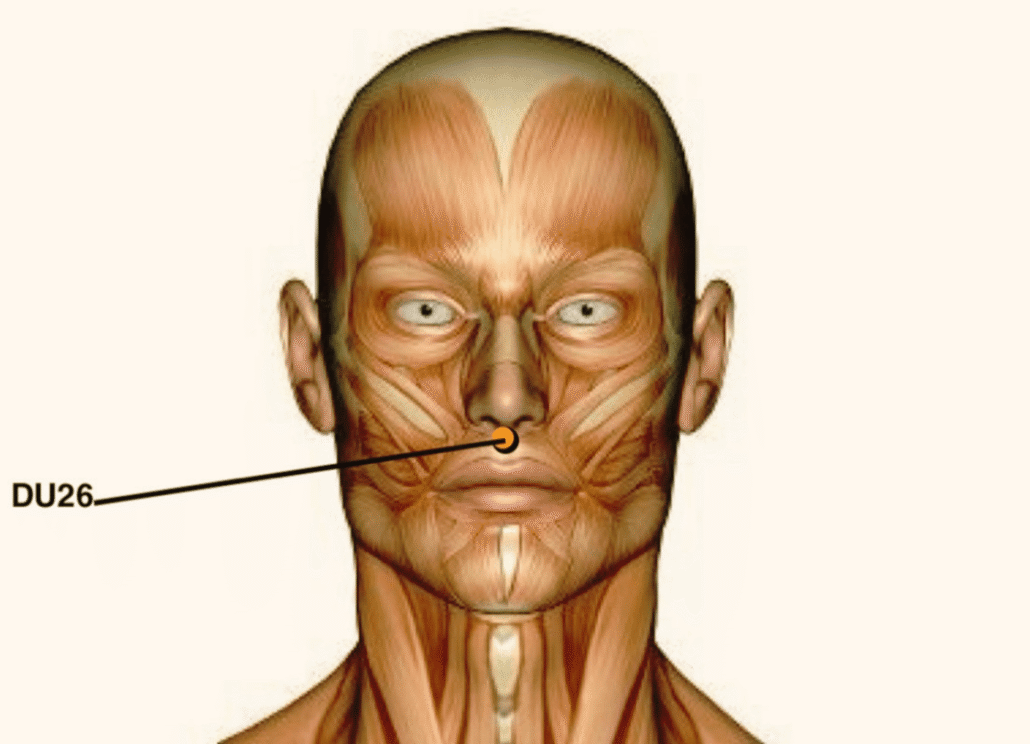
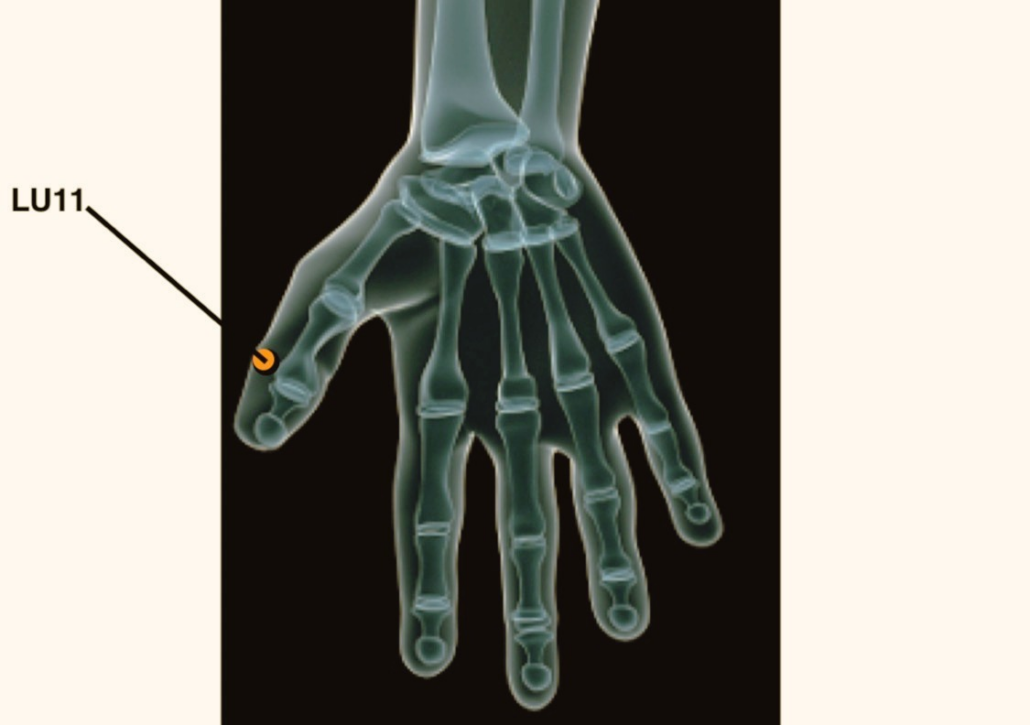
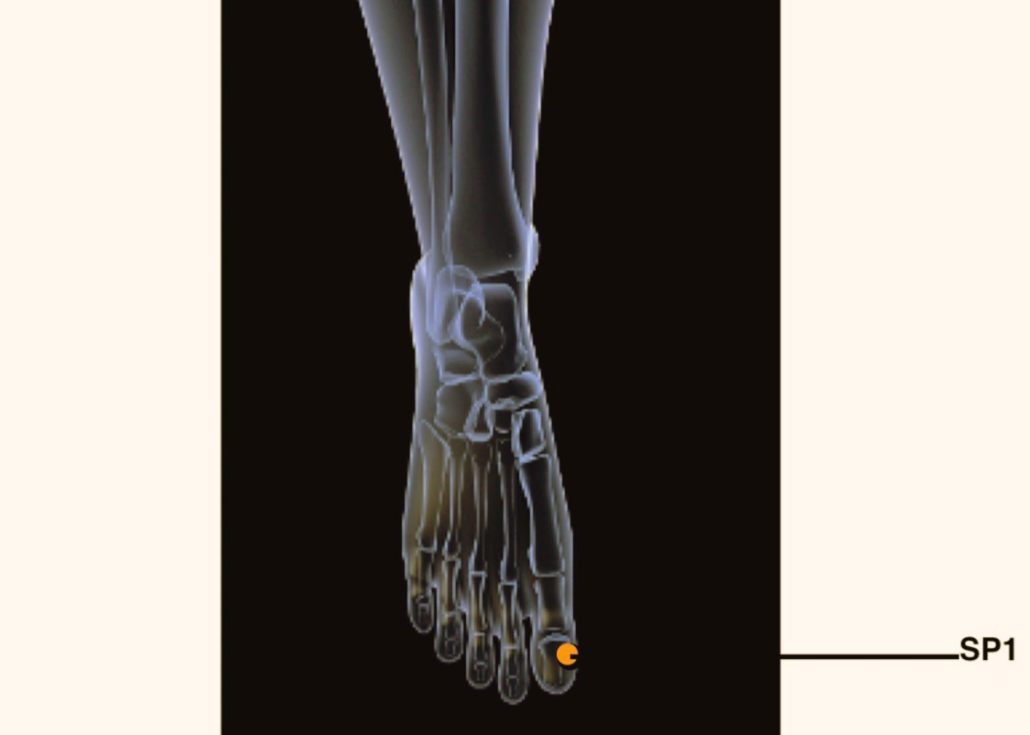
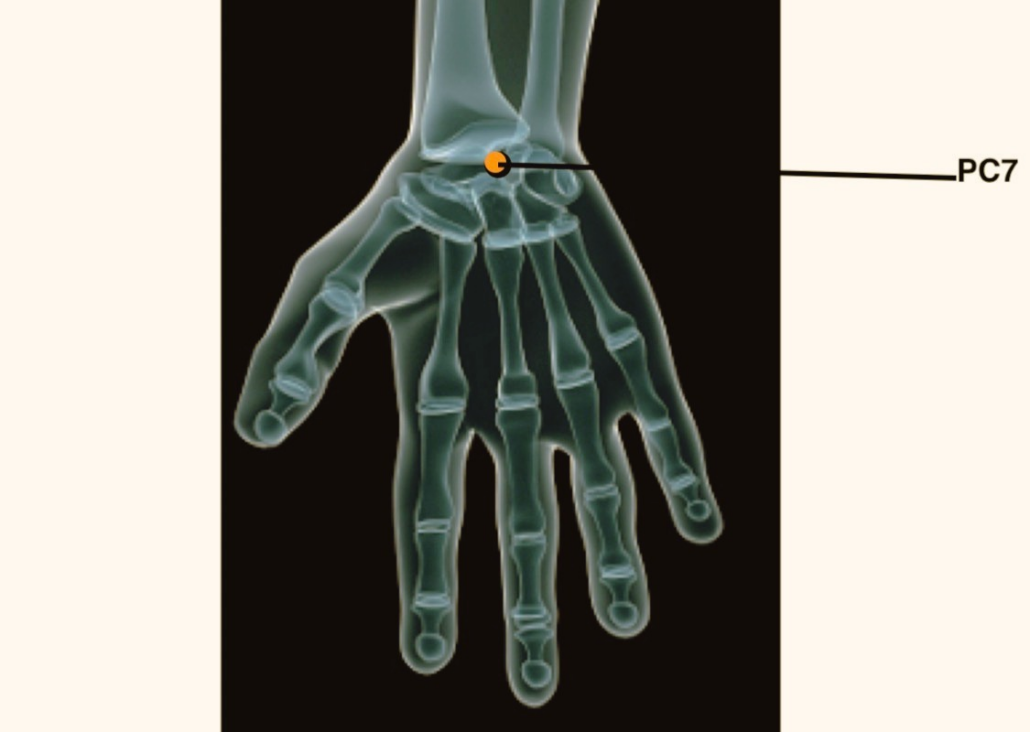
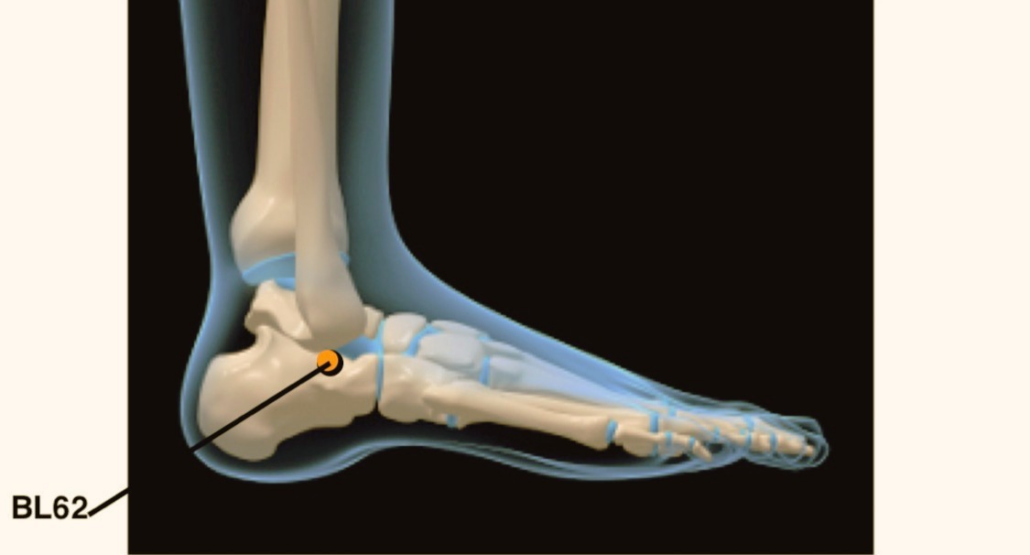
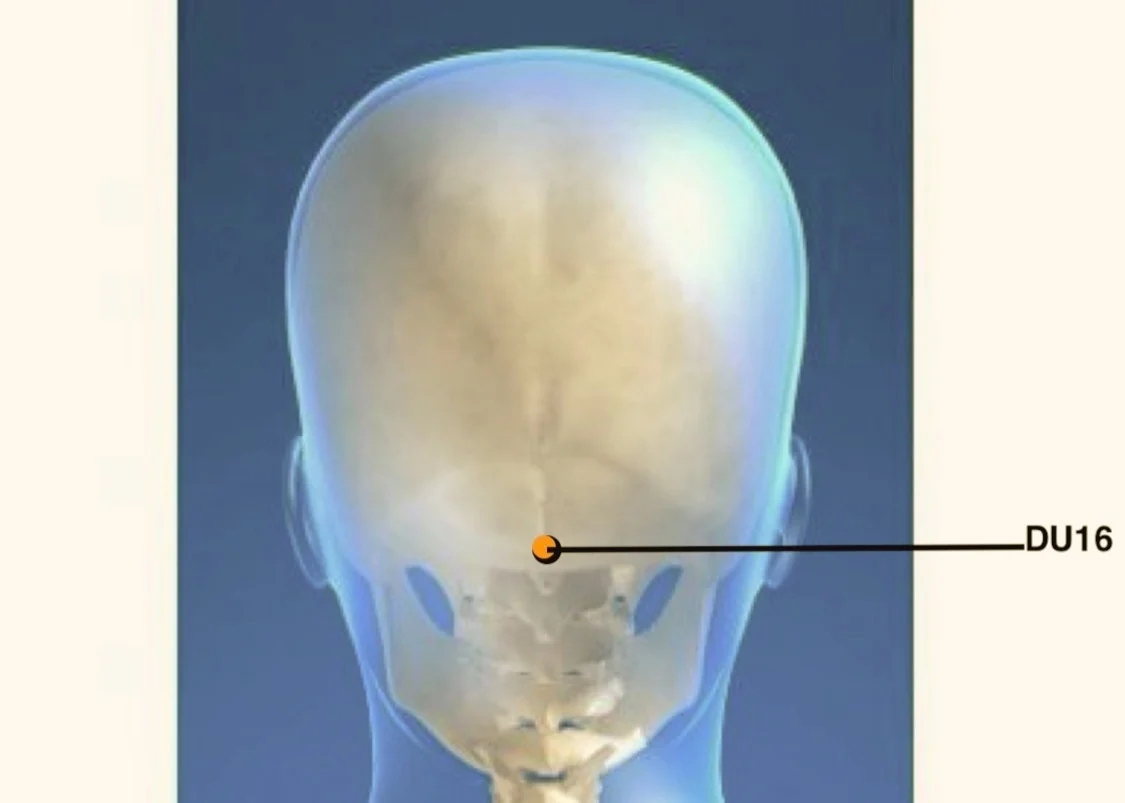
In the seventh century, Sun Simiao recorded thirteen sites in a passage that attributes the method to Bian Que. Yang Jizhou’s Great Compendium of Acupuncture and Moxibustion, published in 1601, preserves a later verse and a key naming the points. The two accounts differ in several places. The sequence here follows Jeffrey Yuen’s Three Spirits & Seven Souls seminar, given in 2002. In his Daoist account, a guǐ is the ghost of someone who has died, whose unfinished attachments begin to find expression in the life of another person.
The passages marked Practice and Reflection are contemporary Radiant Life Training invitations. They can be done seated, with the eyes open, the hands at rest, and the breath at its natural pace.